Groundwater flow modeling
We create versatile and multipurpose groundwater flow models that can be used extensively in various groundwater and artificial groundwater projects. We can simulate various activities and phenomena with our models, for example the impacts of groundwater withdrawal or managed aquifer recharge plants, groundwater contamination and impacts of land use changes on groundwater. We started creating groundwater flow models at the end of 1980s and thus we have long experience of the requirements of creating reliable models. We use modern modeling tools, and our modeling expertise is among the best of the field.
Multipurpose groundwater flow model as a part of a project
Groundwater flow modeling is a cost effective and practical tool for combining data and measurements from various investigations and for expanding the point-like data to the entire modeled aquifer area. Groundwater flow models are the only way to make predictions about groundwater flow and water balance in cases that cannot be tested on the field, such as the impacts of different action alternatives, e.g. changing the pumping rate from a well. Additionally, a groundwater flow model created for one purpose and one project can be used in the future for another purpose and project in the same area and it can support the use of existing waterworks.
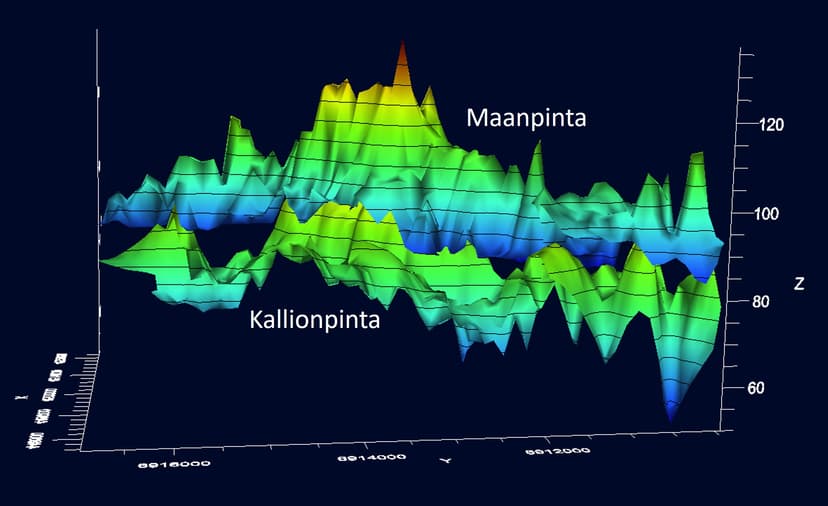
Creating the groundwater flow model starts with defining the borders of the model, such as the ground and base rock elevation, as well as with defining the boundary conditions.
Modern modeling tools
We use modern and widely used modelling software and tools. Thus, the models we create are compatible with the new software in the future can easily be updated to be used with new software as well. This makes our models long-lasting and easy to update and define.
Our modern modelling tools are suitable for managing the high amount of data that the models need, and for classifying and storing various databases and tables. Additionally, we have enough computation capacity and storage space for detailed and broad models. Moreover, we have excellent expertise of modern data processing methods and tools for processing the results from the model.
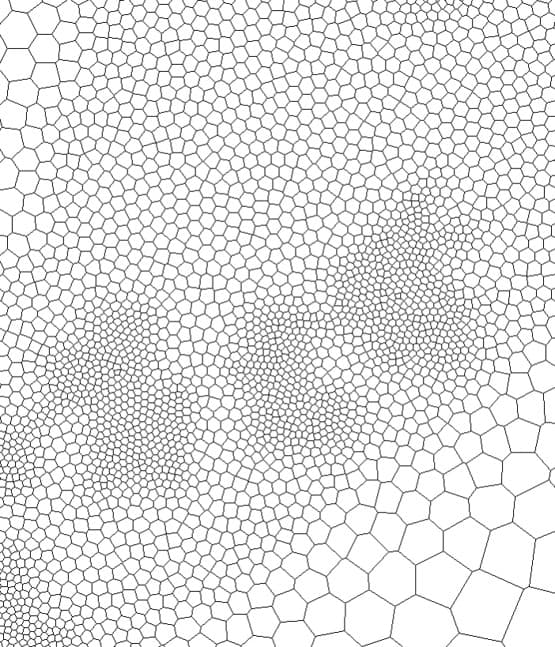
In addition to traditional square grids, our modern modeling tools enable the use of irregular polygon grids, such as Voronoi grids. With irregular grids, the model can be made more detailed in the areas of interest.
Reliable models with comprehensive data and thorough calibration process
In creating reliable and correctly working groundwater models, it is crucial to understand the heterogeneity of the soil and the complexity of the groundwater flow. With our long working experience with groundwater and groundwater flow modeling, we can assess the reliability of the model and the uncertainties associated with different modelling methods.
Our aim is to create groundwater flow models that represent the actual measured data of the aquifer and groundwater flow conditions as accurately as possible, so that the models can reliably simulate the groundwater flow in the aquifer. We continuously check the accuracy and reliability of the data and boundary conditions we define in the model during the modeling process. The boundary conditions are also updated when needed if there is new data available from the modeling area.
Our groundwater flow models are calibrated thoroughly with the data available. In the calibration, the properties of the modeling area are changed so that the results from the model equal the measured data from the area. The results of the model that are compared to the measurement results are for example groundwater elevations, water balance of the area and groundwater flow directions. The aim is that in different situations (e.g. different pumping rates) the calculated results from the model are as close to the measured data as possible.
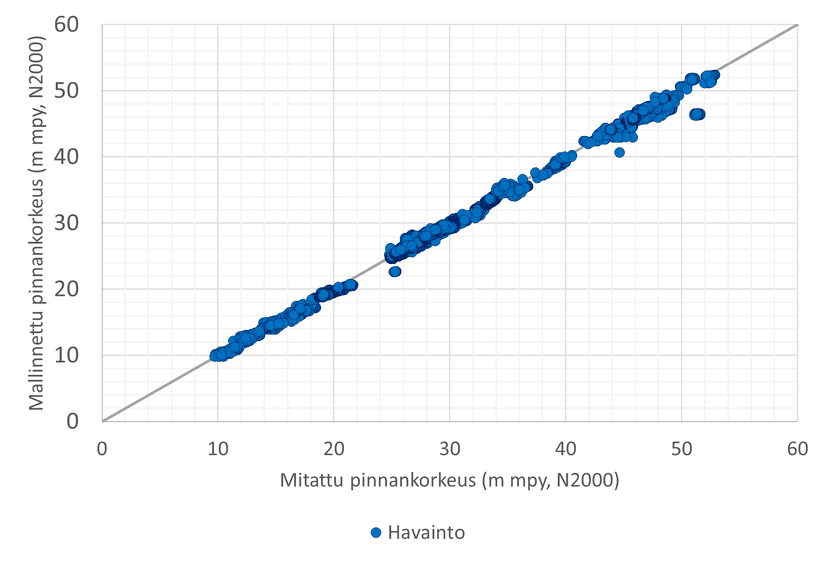
We calibrate our models thoroughly so that the simulations run with the model are reliable.
References
Groundwater flow modeling of lake Köyliönjärvi - river Kokemäenjoki esker area
2023
Groundwater flow modeling of Konnevesi Majakangas managed aquifer recharge plant
2019
Groundwater flow modeling of the groundwater impacts of Joensuu airport
2000
Contact us!

© 2026 Suomen Pohjavesitekniikka Oy