Maintenance and renovation of the wells
When the use of screen well tubes became more common in the 1960s, we saw the need to develop well condition surveys, well structure renovations and tube well flush techniques. We always choose the procedures based on whether the problem is in the well itself or in the other structures of the well. The renovation of the well structures is needed if there is fault in the well structures, whereas the flush is used for clogged wells. If needed, we can also do well location survey for a new well, if repairing the old one is no longer viable.
Well condition assessment and sand content test
We do condition assessments for wells that have been in use for a long time. In the assessment, the well is measured and filmed to assess the condition of the well. The yield of the well is measured to update the well card, and the sand content of the pumped water is determined. Assessing the sand content is important, as sand breaks pumps and can build up in the pipeline.
After that, the work continues with well structure renovation or well flush, if needed. Renovation is recommended if the upper structures of the well are out of shape, whereas with the flush the weakened yield of the well can be fixed. If the screen tube is not repairable, we discuss the options and the procedures for replacing the well with the customer.
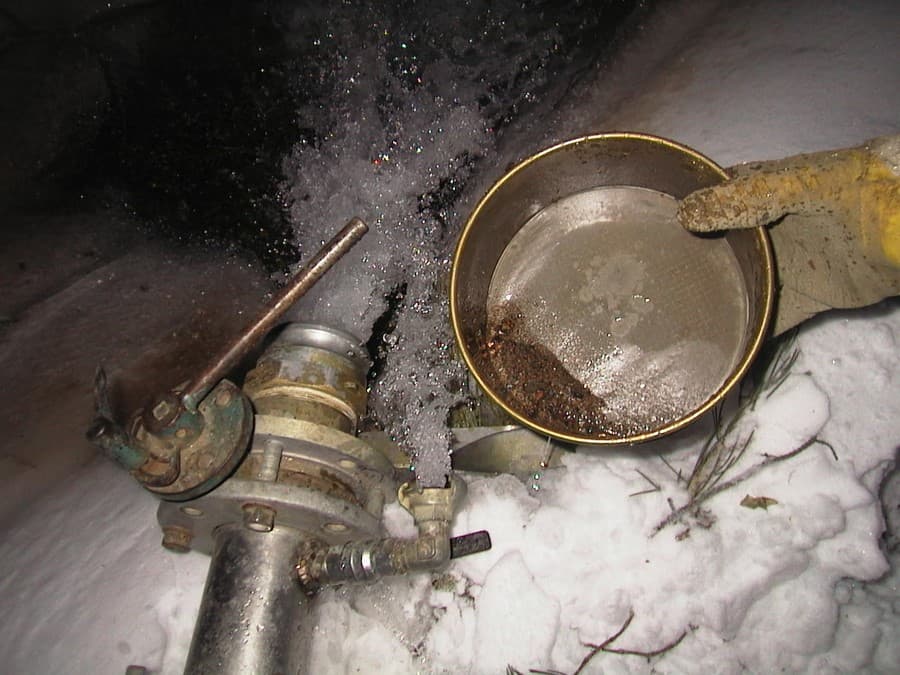
Sand content test.
Renovation of well structures
The renovation of well structures is needed if surface waters, dirt or other impurities can access the tube well due to faults in the well structures. There are multiple typical issues: The upper end of the well might be deep under the ground surface and the impurities can thus drift to the well, the concrete structures might leak in the underground valve well, or the ground surface might be shaped in sufficiently, which causes surface waters to run to the well.
In the renovation, the structures of the well are continued to the ground elevation and modern and tight upper structures are installed. We have developed modern, weather-proof and thermally insulated upper structures with a well house that is used in all of our new and renovated wells.
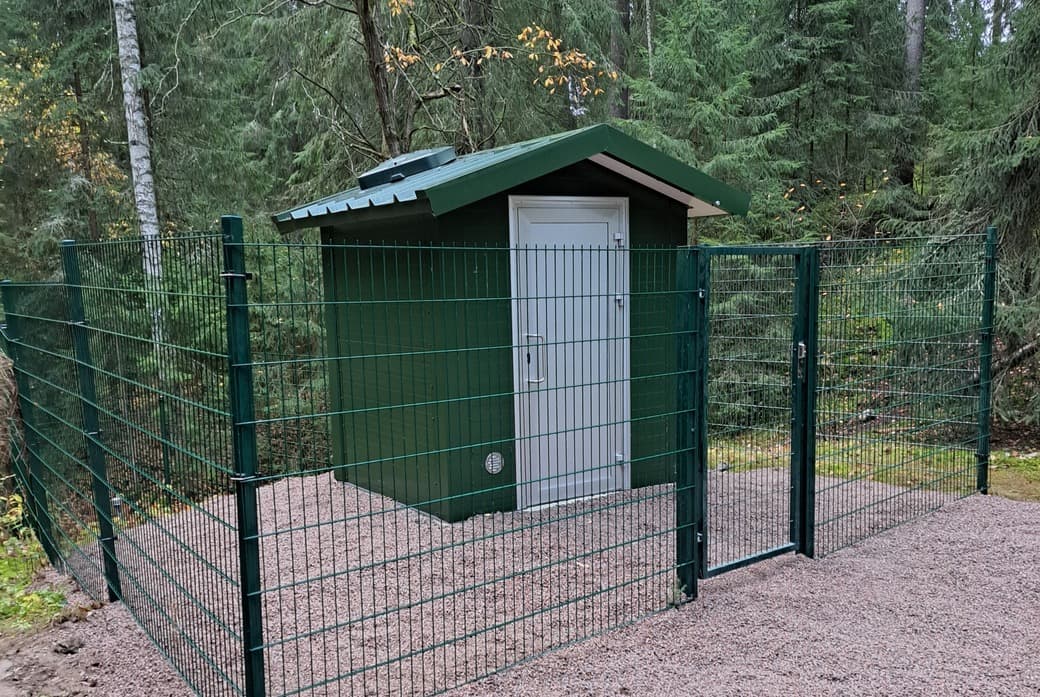
Modern and weather-proof well house that we have developed.
Well yield measurements
We determine the clogging status of a well with our yield measurement techniques. The results of the measurements are compared to the respective measurements that have been done from the well when it was new. Thanks to our long client relationships, we typically already have the original well card with the yield of the well in our archive. Comparing the yields, we can assess how the yield has changed over time and the clogging status can be determined. The procedures done to the well are selected based on how clogged the well is.
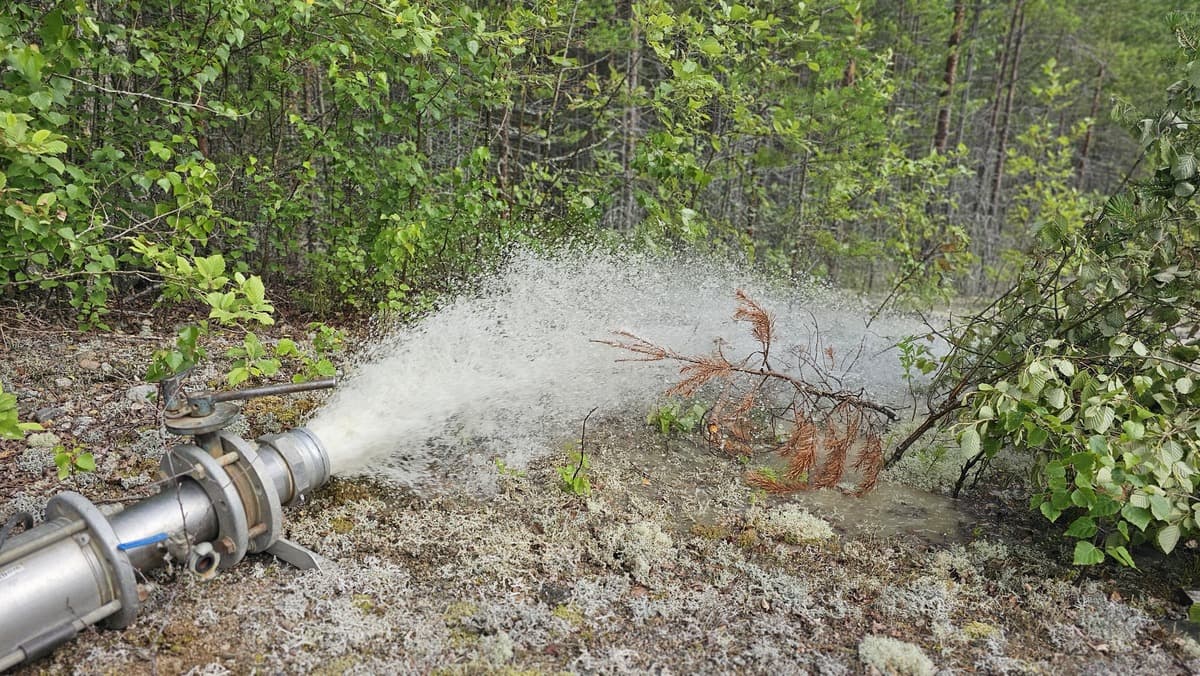
Well yield measurement.
Extraction of iron and manganese from screen tube well with mechanical or chemical flush
We implement both mechanical and chemical flushes for screen tube wells. In the flushes, mechanical clogs and iron and manganese precipitates are removed from the well and its proximity.
The flush is always started with filming the situation to assess the flush method needed. After that, the mechanical flush is typically done to make a more detailed plan for the flush. When using only the mechanical flush, sufficient improvement in the well yield is achieved in 10 % of the cases.
After the mechanical flush, a chemical 2-component flush can be used to remove iron and manganese precipitates, in which case the success rate for sufficiently improving the yield increases to 80 %. The well water remains drinkable throughout the flushing process and pH stabilizes to the normal level within a week from the flush. The flush process itself takes one day.
We have used the mechanical flush method since the 1980s in approximately 20 % of the wells we have constructed, and most of the flushed wells are still in use. Still, the flush is only a temporary solution, if the root cause of the problem is not fixed.
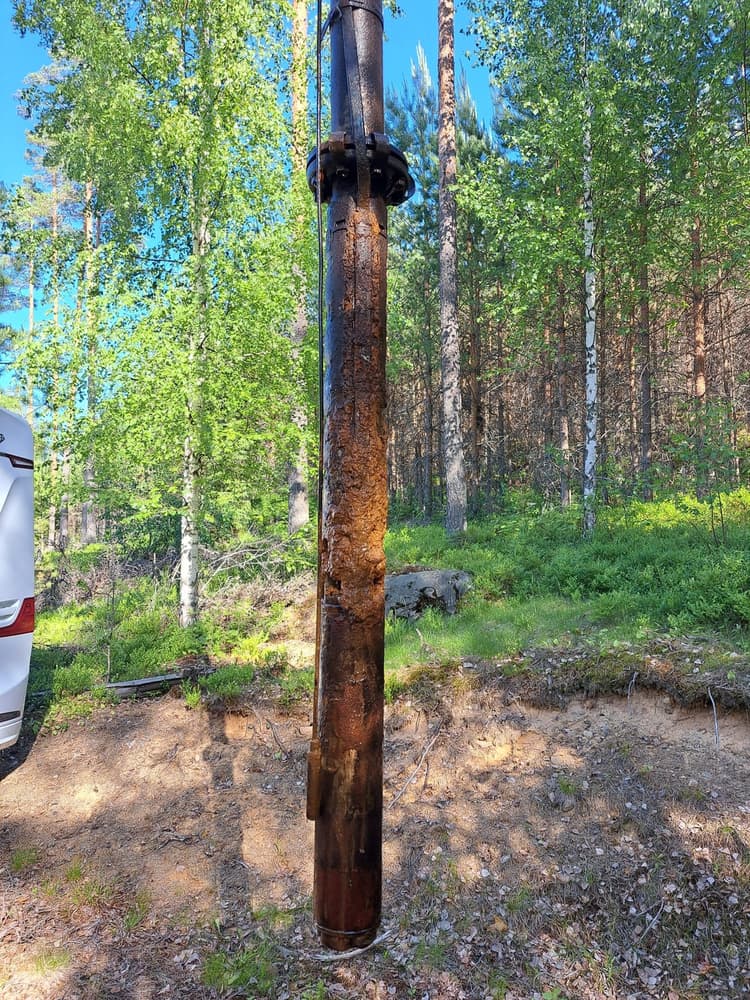
The precipitates are most apparent in the submersible pump.
References
Renovating the wells of the waterworks of Kontiolahti municipality
2022–2023
Flush and renovation of the wells Hanko vesi waterworks
2023
Flush and renovation of the wells of Lahti Aqua Oy waterworks
2022
Contact us!


© 2026 Suomen Pohjavesitekniikka Oy